
LITANS
Creamy Milk High Calcium
The verified listing includes milk powder and seaweed calcium, making it relevant to comparing calcium-containing milk drinks. Contains milk.


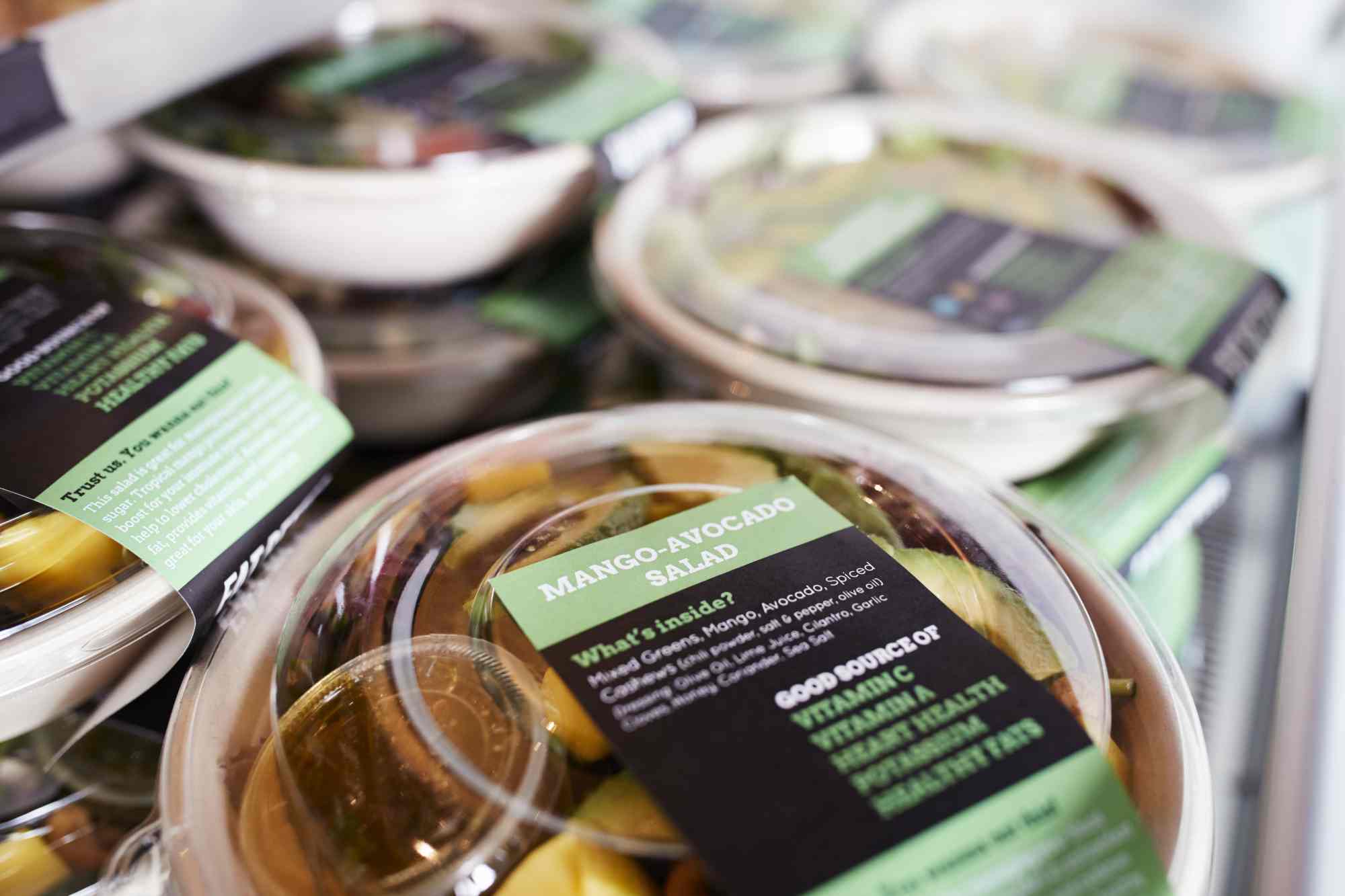

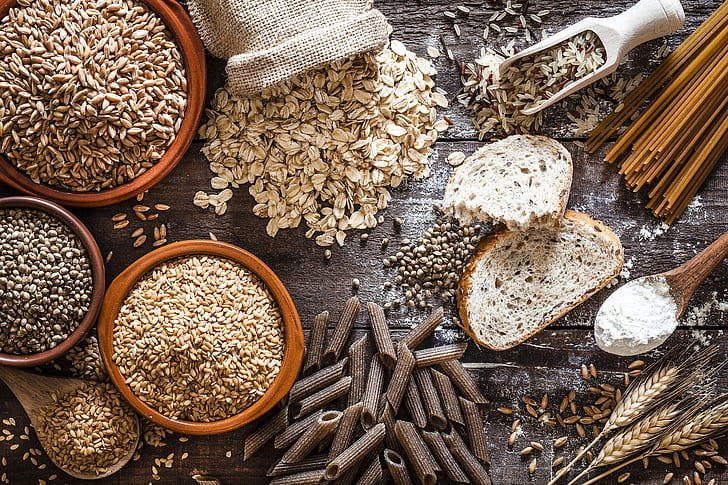
Clean label generally describes an approach to food formulation that emphasises understandable ingredients and transparent product information. It is a descriptive idea, not a nutritional score or proof that a food is safe, balanced or suitable for everyone. Words such as natural, pure or clean should be assessed against the full label and supporting information.
A long or scientific-sounding ingredient name does not automatically make it unsafe. Permitted additives are assessed for particular uses and amounts, and processing can help preserve food and make it safe. Equally, a natural ingredient can cause an allergy or be unsuitable in large amounts. Choose products according to their actual composition, your preferences and your dietary needs, rather than assuming that clean label means additive-free, sugar-free, organic or certified.
Important: This is general nutrition education. Individual needs and tolerances differ. A doctor or registered dietitian can help you interpret labels for a medical condition or restricted diet. No product is presented as a treatment for disease.
Further reading: MOH: Malaysian Dietary Guidelines · WHO: food additives · FDA: natural labelling.
The nutrition information panel describes the energy and nutrients in a stated amount of food. It helps you compare products and plan portions; it does not tell you everything about the quality of your whole diet.
Daily requirements vary with age, sex, life stage, activity, body size and health. Malaysian Recommended Nutrient Intakes provide population guidance; pregnancy, breastfeeding, medicines or medical conditions may require individual assessment. Consider nutrients from all meals, drinks and supplements together. Some figures are goals for adequate intake, while others are limits: more of every nutrient is not always better.
A varied diet based on vegetables, fruit, whole grains and suitable protein sources is a useful foundation. Identify a specific nutritional gap before choosing a fortified food or supplement, and seek professional advice when your needs are uncertain.
Important: This is general nutrition education. Individual needs and tolerances differ. A doctor or registered dietitian can help you interpret labels for a medical condition or restricted diet. No product is presented as a treatment for disease.
Further reading: FDA: interpreting a nutrition label · Singapore HealthHub: reading food labels · MOH: Malaysian Dietary Guidelines.
Focus on ingredients relevant to your intake, allergies and preferences. Being mindful does not mean that every additive must be avoided or that a food with no additives is automatically healthier.
Look for names such as sugar, sucrose, glucose, dextrose, glucose syrup and honey in the ingredient list. Several sweetening ingredients can appear under different names. Compare the stated sugar and carbohydrate amounts and the portion you will consume; an ingredient list alone cannot quantify the total. No added sugar does not necessarily mean sugar-free, low in carbohydrate or suitable for someone with high blood glucose.
Preservatives help maintain food safety or shelf life; colours affect appearance. Look for a functional description such as preservative or colour together with the ingredient name or code where declared. A code or unfamiliar name is not itself evidence of harm. Safety depends on the substance, permitted use and amount, with rules varying by country. If you have a diagnosed sensitivity or choose to avoid a specific ingredient, check for its exact name and ask the manufacturer when the label is unclear. Follow storage instructions even when a pack states no preservatives.
Read the full ingredients and allergy information every time, because recipes can change. Common concerns include milk, egg, fish, shellfish, peanuts, tree nuts, soy and wheat or other gluten-containing cereals. A may contain statement concerns possible cross-contact; it is not the same as an ingredient declaration. If you have a food allergy and cannot confirm suitability, do not rely on a natural or clean-label claim—check with the supplier and follow your clinician’s advice.
For most people, comparing sugar, sodium and saturated fat is more useful than judging a food by the number of additives alone. The amount and frequency eaten, the rest of the diet and individual restrictions matter. Use labels to make an informed comparison rather than creating a universal list of bad ingredients.
Important: This is general nutrition education. Individual needs and tolerances differ. A doctor or registered dietitian can help you interpret labels for a medical condition or restricted diet. No product is presented as a treatment for disease.
Further reading: FDA: added sugars · WHO: food additives · FDA: food allergies and labels.
Food safety compliance and certification serve different purposes. A logo or promotional claim is not a substitute for checking the actual product, label and supplier.
MeSTI is a Ministry of Health Malaysia food-safety assurance certification scheme that helps food-manufacturing premises develop and implement a documented food safety assurance programme. It concerns food-safety systems at the certified premises. It is not a medical endorsement, a guarantee of nutritional superiority or proof that every product from a brand is covered. Check the certificate holder, premises and current scope through the official FoSIM service.
Malaysia Halal certification concerns compliance with halal requirements. Check the exact company, product and validity through the official Malaysian Halal Directory recognised by JAKIM/JAIN. A halal logo does not establish a product’s sugar, sodium or saturated-fat content, and it does not demonstrate that the product treats a health condition. Do not infer certification for an entire brand from one certified item.
Foods in Malaysia must comply with applicable requirements under the Food Act 1983, Food Regulations 1985 and Food Hygiene Regulations 2009, including relevant safety, labelling and hygiene provisions. Ordinary foods and beverages are not generally subject to KKM product registration in the same way as medicines. It is incorrect to say that every food must have a KKM product approval or MAL registration number. Food-premises registration, MeSTI certification, halal certification and medicine registration are separate matters.
No certification is claimed here for any Weng Food product unless its current documentation has been checked.
Further reading: KKM: MeSTI.
Further reading: KKM: Food Regulations 1985.
Further reading: KKM: food and beverage registration FAQ.
Further reading: JAKIM: Halal status check.
Calcium helps maintain the structure of bones and teeth and supports normal muscle and nerve function. Requirements vary by age and life stage. Compare calcium per serving and count contributions from your overall diet; more is not automatically better. A calcium-containing product is not a treatment for bone disease.
Calcium sources include milk, yoghurt, calcium-fortified alternatives, tofu made with calcium salts, and fish with edible bones. Some vegetables, including bok choy and broccoli, also contribute. Fortification and calcium content differ between brands, so check the actual label.
Compare calcium in milligrams for the portion you use, then consider the total from your diet. Also review sugars, saturated fat and allergens when comparing drinks. Avoid automatically taking extra calcium or choosing a larger serving solely because it provides more: excess intake is not a goal. If you have kidney disease, use medicines or are considering supplements, seek personal advice.
LITANS
The verified listing includes milk powder and seaweed calcium, making it relevant to comparing calcium-containing milk drinks. Contains milk.
Important: This is general nutrition education. Individual needs and tolerances differ. A doctor or registered dietitian can help you interpret labels for a medical condition or restricted diet. No product is presented as a treatment for disease.
Further reading: NIH: calcium.
Focus on a balanced, lower-sodium eating pattern rather than a single special food. The DASH approach provides a useful framework.
Compare sodium per serving and allow for how much you actually eat. WHO advises adults to keep salt below 5g daily, equivalent to under 2g sodium, including salt already in foods. Your clinician may set a different target. Flavour meals with herbs, spices or citrus. Do not use potassium salt substitutes or increase potassium aggressively if you have kidney disease or take medicines affecting potassium without clinical advice.
No packaged Weng Food product is specifically recommended for high blood pressure here: current sodium information must be checked first.
Important: This information is for general nutrition education, not diagnosis, treatment or a personalised diet prescription. Continue prescribed medicines. Ask your doctor or registered dietitian for advice suited to your health, medicines and nutritional needs. No Weng Food product is presented as a treatment for disease.
Further reading: NHLBI: DASH eating plan.
Further reading: WHO: healthy diet.
The overall eating pattern matters more than a single ingredient or product. A practical priority is to replace some saturated fat with unsaturated fat and include a variety of fibre-containing foods.
Choose steaming, grilling or baking more often. Compare saturated fat and fibre on labels and replace fats rather than simply adding extra oil. An oat-containing drink is not automatically high in fibre or low in saturated fat: check the actual amounts per serving. Foods and supplements do not replace prescribed cholesterol medicines; some people need medication even with a balanced diet.

LITANS — Oat & Cereal Milk
An example of an oat-containing drink: the existing product record identifies oats and soluble fibre (beta-glucan). Ingredients listed: oat, milk, cereal, dextrose, erythritol and malt. Contains gluten and milk (lactose).
The numerical nutrition panel and beta-glucan amount per serving still need confirmation. Dextrose is a sugar; do not treat this product as sugar-free or as a cholesterol or blood-glucose treatment. Compare the current label and portion with your overall diet.
Contact Our Team for current product labels and ingredient information.
Important: This information is for general nutrition education, not diagnosis, treatment or a personalised diet prescription. Continue prescribed medicines. Ask your doctor or registered dietitian for advice suited to your health, medicines and nutritional needs. No Weng Food product is presented as a treatment for disease.
Further reading: American Heart Association: cholesterol prevention and treatment.
Further reading: CDC: cholesterol prevention.
Carbohydrate amount, portion size and meal timing all matter. A food labelled natural, no added sugar or low sugar can still contain carbohydrate that affects blood glucose.
A useful starting plate is half non-starchy vegetables, one-quarter lean protein and one-quarter carbohydrate food. Individualise portions with your care team. Read total carbohydrate, sugars and serving size, not only a front-label claim. If you use insulin or medicines that can cause low blood glucose, avoid skipping meals and discuss diet changes with your clinician.
No Weng Food product is recommended here specifically for high blood sugar. LITANS Oat & Cereal Milk lists dextrose; its current carbohydrate and sugar amounts must be confirmed before considering whether a portion fits your plan. It is not presented as sugar-free or as a glucose-lowering product.
Important: This information is for general nutrition education, not diagnosis, treatment or a personalised diet prescription. Continue prescribed medicines. Ask your doctor or registered dietitian for advice suited to your health, medicines and nutritional needs. No Weng Food product is presented as a treatment for disease.
Further reading: NIDDK: healthy living with diabetes.
Omega-3, omega-6 and omega-9 describe families of unsaturated fats. They are different nutrients, not interchangeable treatments.
ALA is an essential plant-source omega-3 found in flaxseed, chia seeds, walnuts and some oils. EPA and DHA occur in oily fish; DHA is a component of brain and eye tissues. The body’s conversion of ALA to EPA and DHA is limited, so a plant oil should not be described as equivalent to fish oil. These fats contribute to normal body functions as part of a balanced diet.
Linoleic acid is an essential omega-6 fat. Sources include seeds, nuts and oils such as sunflower, corn and soybean oil. Omega-6 fats have normal physiological roles; they should not all be labelled harmful. Replacing some saturated fat with polyunsaturated fat can support a heart-healthy eating pattern.
Oleic acid is a common omega-9 monounsaturated fat, found in olive oil, avocado and some nuts. Omega-9 is not an essential dietary fatty acid because the body can make it. Monounsaturated fats can be useful when replacing saturated fats, rather than adding extra calories.
Use varied food sources and moderate portions. All oils are energy-dense; more is not automatically better. Check which fatty acids and amounts a product actually supplies. Do not assume that an omega-labelled drink contains a clinically meaningful amount or that a combination of 3-6-9 is necessary for everyone. Discuss high-dose supplements with your clinician, particularly if you take medicines or have a medical condition.

APURE NATURE — Organic Flaxseed Oil (ColdPressed)
The existing ingredient list states organic flaxseed oil. The product record identifies ALA omega-3 and omega-6, cold pressing and an unrefined oil. This makes it an ingredient example for understanding plant-source fats; ALA is not the same as fish-derived EPA and DHA.
Use in unheated foods such as salads, following the current label. The existing instructions say not to heat or use for cooking. Exact fatty-acid amounts per serving and certification validity still need current documentation; no certification or disease benefit is asserted here.
Contact Our Team for current product labels and ingredient information.
Important: This information is for general nutrition education, not diagnosis, treatment or a personalised diet prescription. Continue prescribed medicines. Ask your doctor or registered dietitian for advice suited to your health, medicines and nutritional needs. No Weng Food product is presented as a treatment for disease.
Further reading: NIH Office of Dietary Supplements: omega-3.
Further reading: NHS: dietary fats.
Further reading: MedlinePlus: monounsaturated fats.